
Carlos Baleba’s Manchester United Debut: Has Carrick Finally Fixed the Midfield?
Though the ankle setback means his maiden appearance will be delayed by a few weeks, anticipation among supporters is sk...
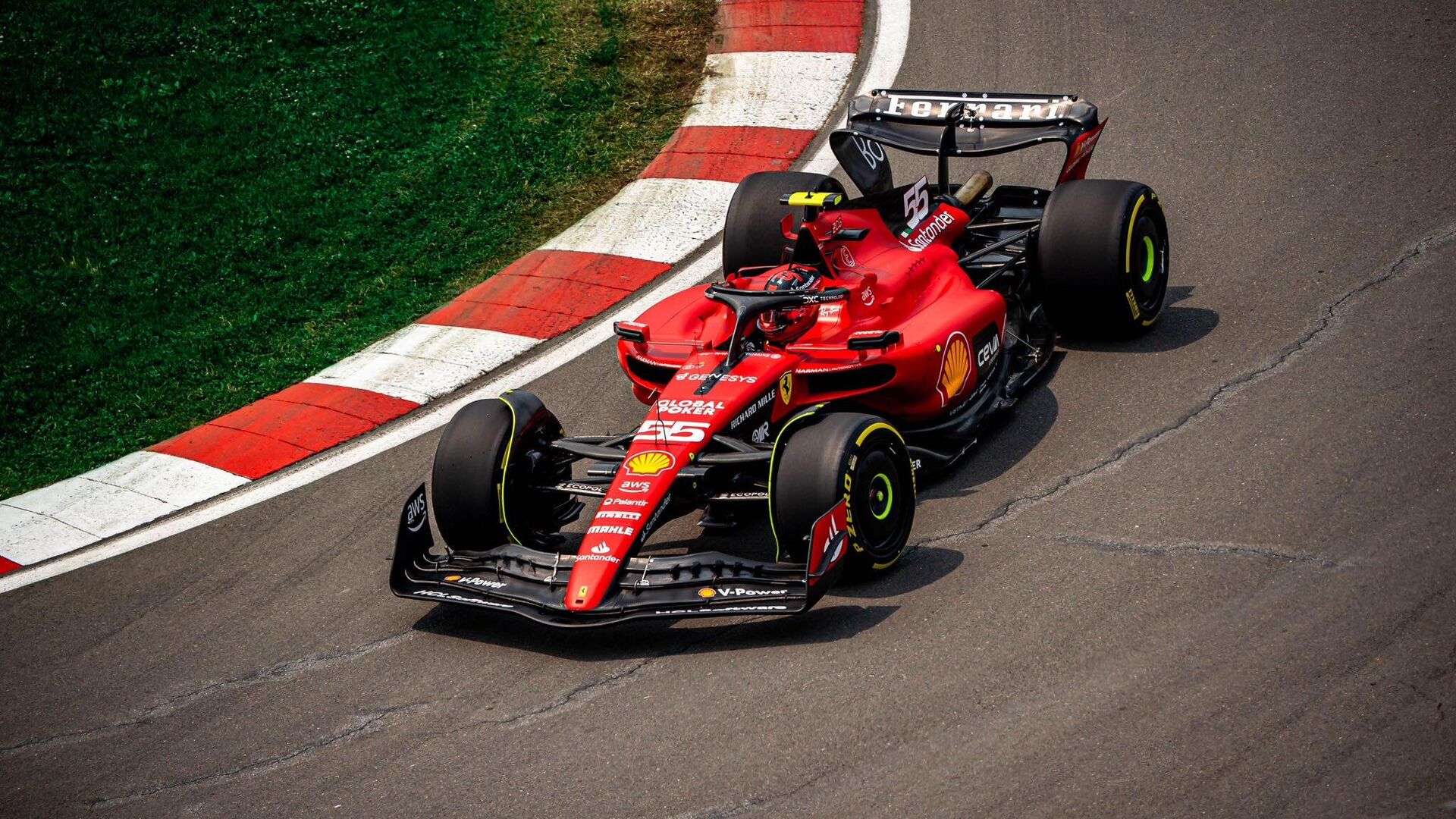
F1 Timer is not just a simple countdown clock—it’s a fan-used tracking system that shows how much time is left until Formula 1 sessions begin. During race weekends, it is commonly used to follow practice sessions, qualifying rounds, sprint races, and the main Grand Prix start time in real time.
Most people assume F1 Timer only shows a basic race countdown, but it often includes more detailed information. Depending on the version, it can display session names (FP1, FP2, Qualifying, Race), live countdown timers, and sometimes even updated schedule changes. This makes it easier for fans to understand what part of the race weekend is currently active or upcoming.
The main purpose of F1 Timer is time synchronization. It takes official Formula 1 schedules and converts them into a live countdown format based on your local time zone. This removes the need for manual conversions, especially for international fans watching races across different continents.
Traditional race schedules often require fans to calculate time differences, which can lead to confusion. F1 Timer simplifies this by automatically adjusting to your device’s local time. This is why many users feel it is more accurate or convenient, even though it is simply presenting the same official data in a different format.
One lesser-known detail is that F1 Timer updates dynamically when race weekends change. For example, if a session is delayed due to weather or red flags, some advanced timers adjust accordingly. However, not all versions are synced in real time, which is why discrepancies sometimes occur.
During live weekends, F1 Timer becomes a central tool for fans. It helps track multiple sessions happening across three days, ensuring viewers don’t miss qualifying drama or race start moments. It also builds excitement by constantly reminding fans how close the next session is.
Even though F1 Timer is useful, it is not officially controlled by Formula 1. That means updates may occasionally lag behind real schedule changes. Some versions also fail to account for unexpected delays, making it necessary to double-check with official F1 sources.
Despite its limitations, F1 Timer remains popular because of its simplicity. It removes complexity from race scheduling and gives fans a clear, visual countdown. In a sport where timing is everything, that simplicity is what makes it so widely used.
F1 Timer is more than just a countdown—it’s a simplified way for fans to stay connected to every moment of a race weekend. While it is not official, it provides an easy and effective way to track sessions and build excitement for live Formula 1 action.
Though the ankle setback means his maiden appearance will be delayed by a few weeks, anticipation among supporters is sk...
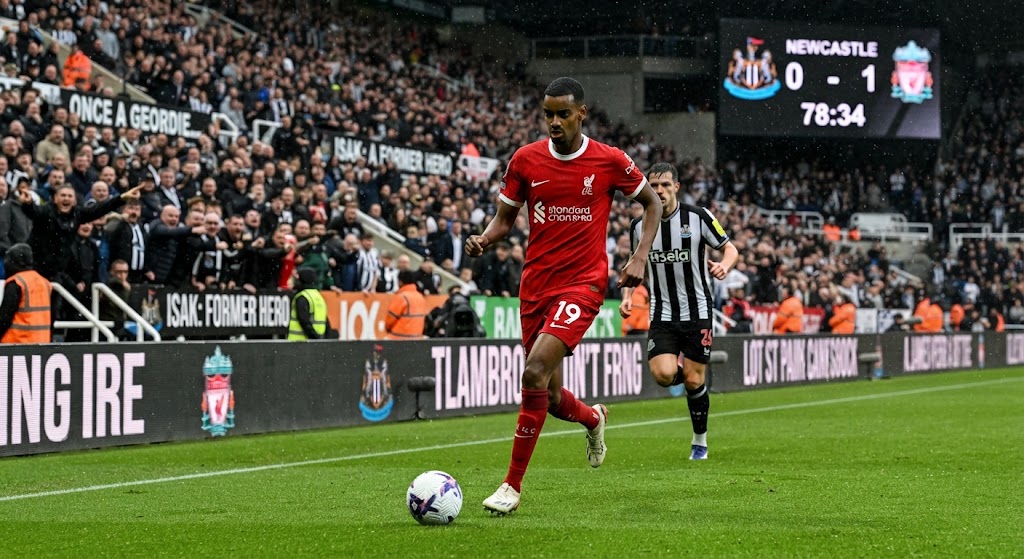
Former Premier League striker Troy Deeney recently voiced support for the Liverpool number nine, emphasizing that Isak p...

Overcoming this hidden vulnerability of squad fatigue and maintaining supreme focus will ultimately dictate whether Arse...

If Arsenal are to fend off Manchester City and secure consecutive league titles, their marquee Brazilian acquisition wi...

As the fixtures come thick and fast, the true measure of Carrick’s reset will not be how his team plays in isolation, ...