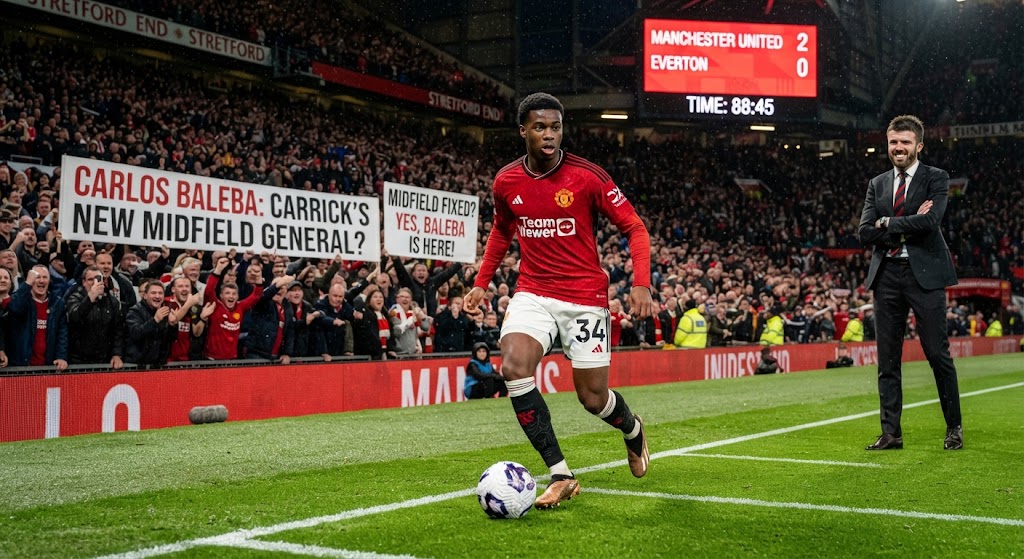
Carlos Baleba’s Manchester United Debut: Has Carrick Finally Fixed the Midfield?
Though the ankle setback means his maiden appearance will be delayed by a few weeks, anticipation among supporters is sk...

The expanded 48-team format of the 2026 FIFA World Cup has officially transitioned into the history books as a transformative milestone for digital sports broadcasting. As the high-stakes single-elimination knockout rounds commenced across the United States, Canada, and Mexico, sports fans globally logged on in staggering numbers, shattering every pre-existing streaming record in football history. The toxic mix of win-or-go-home drama, favorable time zones, and unprecedented mobile accessibility completely overwhelmed traditional linear television models. Media networks have confirmed that the sheer volume of unique data packets delivered over the opening weekend of the Round of 32 easily outpaced any sporting event previously tracked on global servers.
The astronomical rise in traffic has been a central point of deep analysis for prominent sports industry tracking portals like Soccer Streams, where experts have detailed how the modern sporting consumer has permanently shifted away from the traditional living room setup. Official data released by Adobe Analytics and major regional rights-holders like Fox Sports, Bell Media, and Telemundo indicates that streaming platforms accounted for nearly half of the total cumulative global audience during peak match windows. A prime example of this monumental shift occurred during Mexico’s highly anticipated matches and Canada’s historic, record-breaking 1–0 knockout victory over South Africa. The Canadian broadcast peaked with over 11.8 million unique viewers, with live digital streams on TSN and Crave platforms nearly tripling the metrics established during the Qatar tournament cycle.
As the remaining heavyweight nations brace themselves for the intense tactical battles of the upcoming quarterfinal brackets, the incredible infrastructure demand has forced global telecommunication networks to rapidly scale their structural pipelines. FIFA's official media distribution outlets have lauded the tournament’s ability to capture younger, highly mobile demographics who consume entire 90-minute matches exclusively via smartphone apps and connected television applications. This massive wave of digital engagement has solidified the 2026 tournament as the ultimate blueprint for future sporting events. With the final rounds looming on the horizon, broadcast executives confidently project that these freshly established streaming benchmarks will continue to climb to heights never before seen in the entertainment landscape.
Though the ankle setback means his maiden appearance will be delayed by a few weeks, anticipation among supporters is sk...
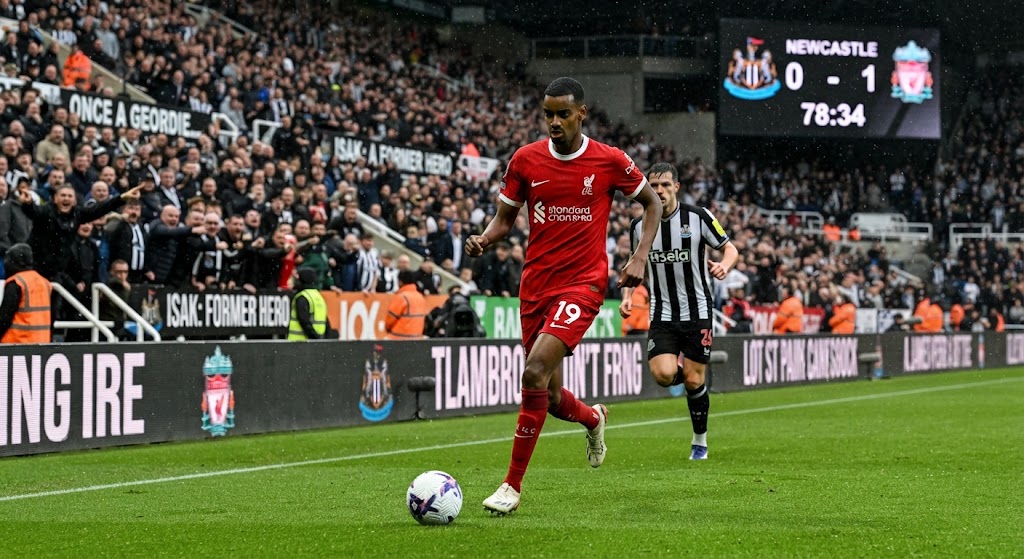
Former Premier League striker Troy Deeney recently voiced support for the Liverpool number nine, emphasizing that Isak p...

Overcoming this hidden vulnerability of squad fatigue and maintaining supreme focus will ultimately dictate whether Arse...
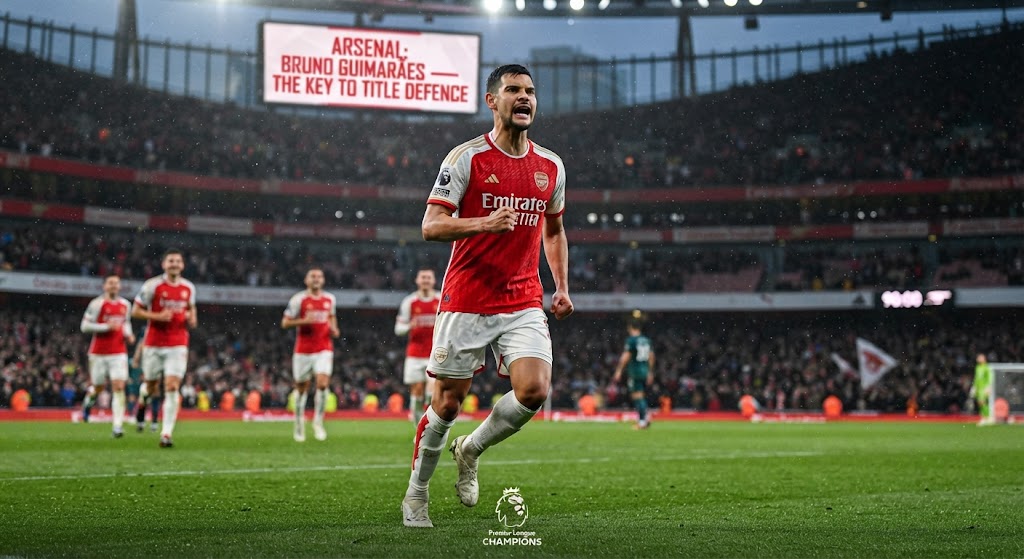
If Arsenal are to fend off Manchester City and secure consecutive league titles, their marquee Brazilian acquisition wi...
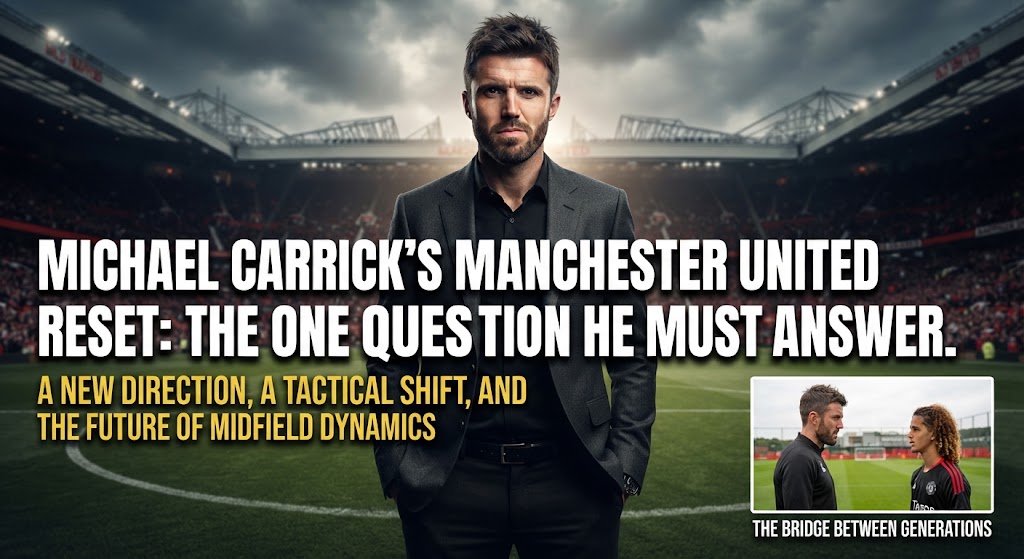
As the fixtures come thick and fast, the true measure of Carrick’s reset will not be how his team plays in isolation, ...