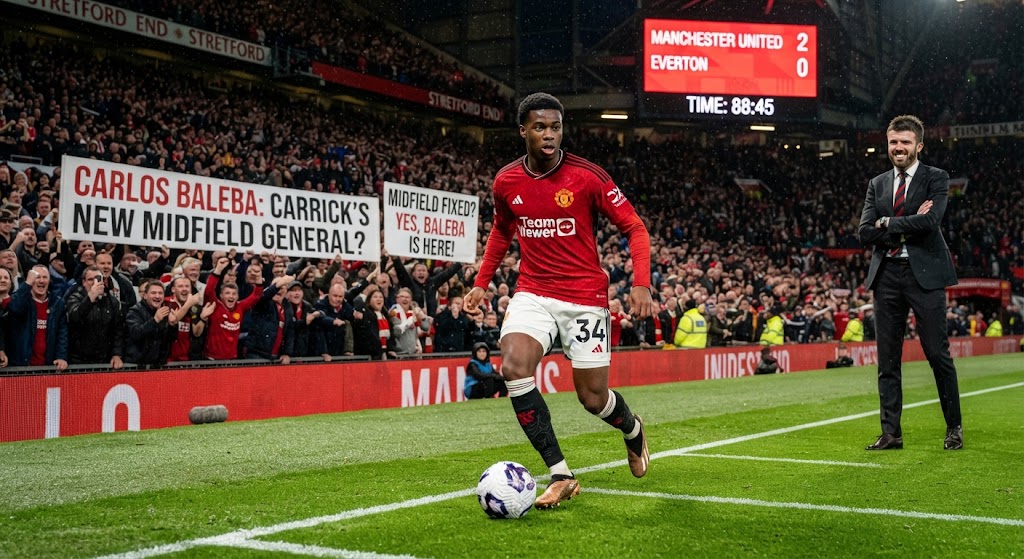
Carlos Baleba’s Manchester United Debut: Has Carrick Finally Fixed the Midfield?
Though the ankle setback means his maiden appearance will be delayed by a few weeks, anticipation among supporters is sk...

The 2026 FIFA World Cup has officially shattered global digital viewership benchmarks, cementing its status as the most digitally consumed sporting event in human history. As the tournament progresses through its high-stakes matches across Canada, Mexico, and the United States, official broadcasting data indicates that traditional television is rapidly sharing the throne with digital streaming platforms. Media conglomerates handling the distribution have reported unprecedented spikes in concurrent users, stretching data infrastructures to their absolute limits. Driven by the convenience of mobile viewing and a younger demographic of football purists, the sheer volume of terabytes delivered per second has surpassed all pre-tournament projections, proving that the modern sports fan completely favors on-the-go digital accessibility.
The historic surge in digital traffic is highly visible across major analytical hubs and community platforms worldwide. Fans checking real-time tactical breakdowns, alternative feeds, and immediate post-match highlights via Totalsportek have contributed to an interconnected ecosystem of unprecedented global engagement. In the United States alone, streaming services associated with English and Spanish-language rights holders logged their most-streamed group-stage matches in history, highlighted by massive viewership spikes during the host nation's opening fixtures. This dramatic shift is not localized to North America; European and Asian streaming networks are simultaneously reporting record-breaking concurrent streams despite challenging time-zone differences, proving that the digital appetite for elite international football knows no geographic boundaries.
To withstand this historic onslaught of digital viewers, major streaming platforms had to undergo massive technological overhauls prior to the opening whistle. Network engineers implemented advanced edge-computing architecture and dynamically scalable content delivery networks to eliminate the dreaded streaming latency that often plagues live sports broadcasts. While minor buffering incidents were reported in densely populated metropolitan areas during high-profile penalty shootouts, the general stability of the global streaming infrastructure has been deemed an absolute triumph by tech experts. This seamless viewing experience has kept audiences glued to their screens longer, altering how advertising revenue is allocated and establishing a permanent blueprint for how future major sporting events will be broadcasted.
The broader international sports landscape is delivering incredible drama on and off the field alongside these massive streaming numbers. In cricket, a seismic shockwave hit the sport as England captain Ben Stokes abruptly announced his retirement from international cricket midway through the definitive third Test match against New Zealand at Trent Bridge, ending an illustrious 15-year career. Meanwhile, at the World Cup, the Iranian national football team is officially flying home following an agonizing group-stage elimination where they missed out on advancement by a mere two-goal margin. Over in the world of tennis, the prestigious Wimbledon championships have officially commenced on the historic grass courts of London, drawing massive opening-day attention as fans adjust their screens to follow multiple sporting masterpieces simultaneously.
Though the ankle setback means his maiden appearance will be delayed by a few weeks, anticipation among supporters is sk...
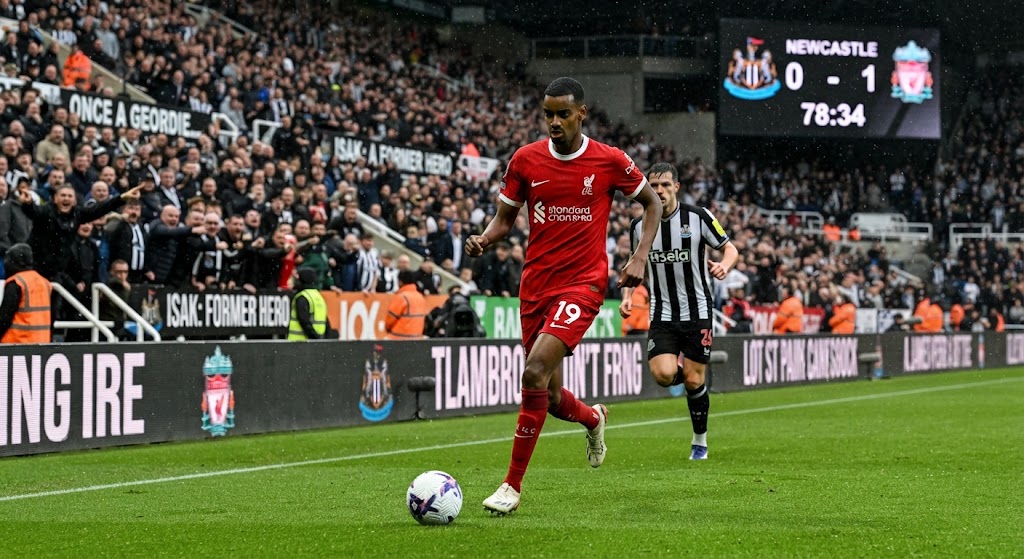
Former Premier League striker Troy Deeney recently voiced support for the Liverpool number nine, emphasizing that Isak p...

Overcoming this hidden vulnerability of squad fatigue and maintaining supreme focus will ultimately dictate whether Arse...
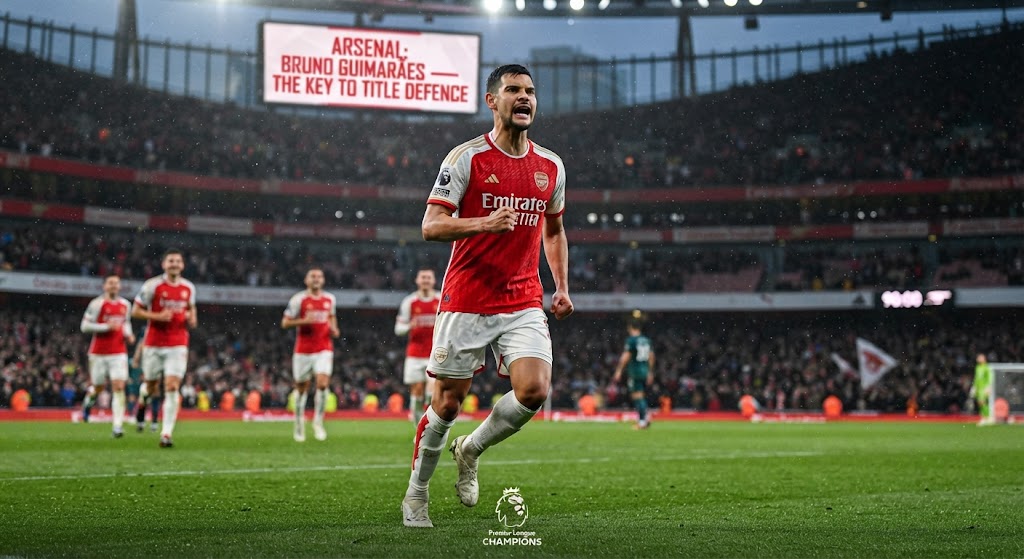
If Arsenal are to fend off Manchester City and secure consecutive league titles, their marquee Brazilian acquisition wi...

As the fixtures come thick and fast, the true measure of Carrick’s reset will not be how his team plays in isolation, ...