
Carlos Baleba’s Manchester United Debut: Has Carrick Finally Fixed the Midfield?
Though the ankle setback means his maiden appearance will be delayed by a few weeks, anticipation among supporters is sk...
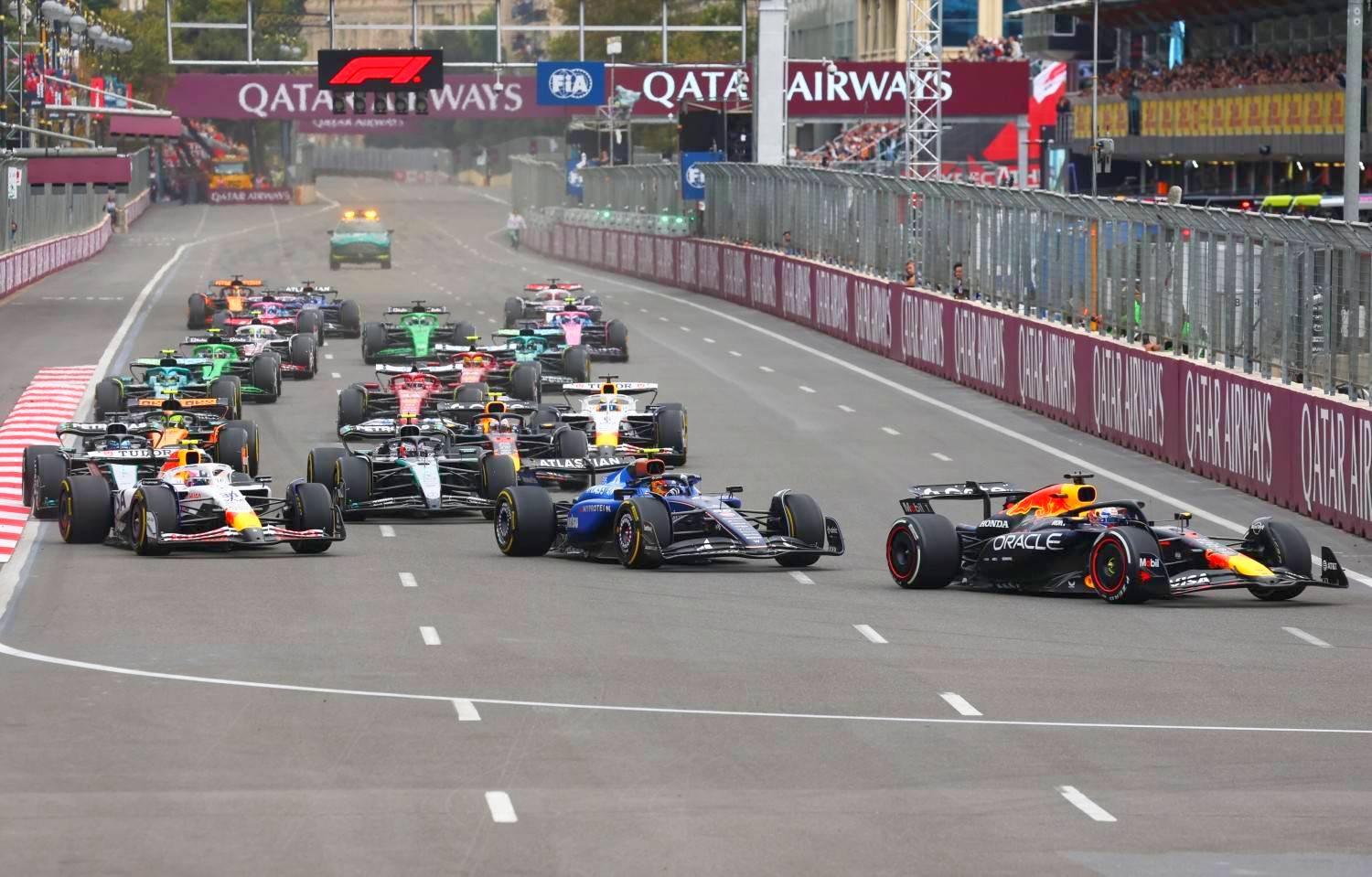
When watching Formula 1, most fans focus on the cars, overtakes, and final results, but behind every race lies a powerful tool that tells the real story—the F1 timer. It’s more than just numbers on a screen; it’s the key to understanding performance, strategy, and race dynamics in real time.
An F1 timer is a live timing system that tracks every driver’s performance throughout a race. It records lap times, sector splits, and time gaps between competitors. This data is updated instantly, giving a complete picture of what’s happening on the track at any moment.
While TV broadcasts highlight major moments, the F1 timer reveals the details that often go unnoticed. It shows which drivers are consistently improving, who is struggling with pace, and how strategies are unfolding behind the scenes. This hidden data is what teams rely on to make crucial decisions.
The F1 Timer plays a huge role in shaping race strategies. Teams analyze timing data to decide when to pit, which tires to use, and how to respond to competitors. Even a small timing difference can influence a major strategic move that determines the race outcome.
A driver’s position doesn’t always reflect their true performance. The F1 timer helps uncover this by showing sector times and lap consistency. A driver in a lower position might actually be faster and closing the gap, which can lead to exciting changes later in the race.
For fans, the F1 timer offers a deeper and more engaging experience. It allows you to follow multiple battles on track, understand race pace, and anticipate key moments before they happen. Once you start using it, races become far more exciting and informative.
Many people believe the leaderboard tells the full story, but that’s not true. The F1 timer provides much more detailed insights. Another misconception is that timing data is only for experts, when in fact, anyone can learn to use it with a little practice.
Getting started with an F1 timer is simple. Begin by watching lap times and intervals, then gradually move on to sector analysis and pit stop tracking. Over time, you’ll develop a better understanding of race strategies and performance trends.
The F1 timer is one of the most important tools in Formula 1, even if it often goes unnoticed. It reveals the true story behind every race, helping both teams and fans understand what’s really happening on the track. If you want to take your Formula 1 experience to the next level, paying attention to the F1 timer is essential.
Though the ankle setback means his maiden appearance will be delayed by a few weeks, anticipation among supporters is sk...
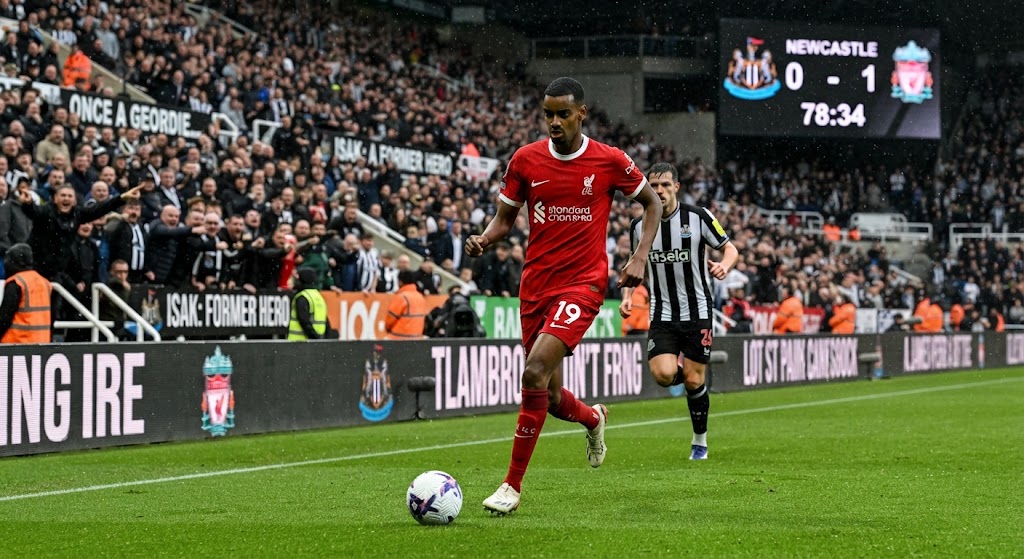
Former Premier League striker Troy Deeney recently voiced support for the Liverpool number nine, emphasizing that Isak p...

Overcoming this hidden vulnerability of squad fatigue and maintaining supreme focus will ultimately dictate whether Arse...
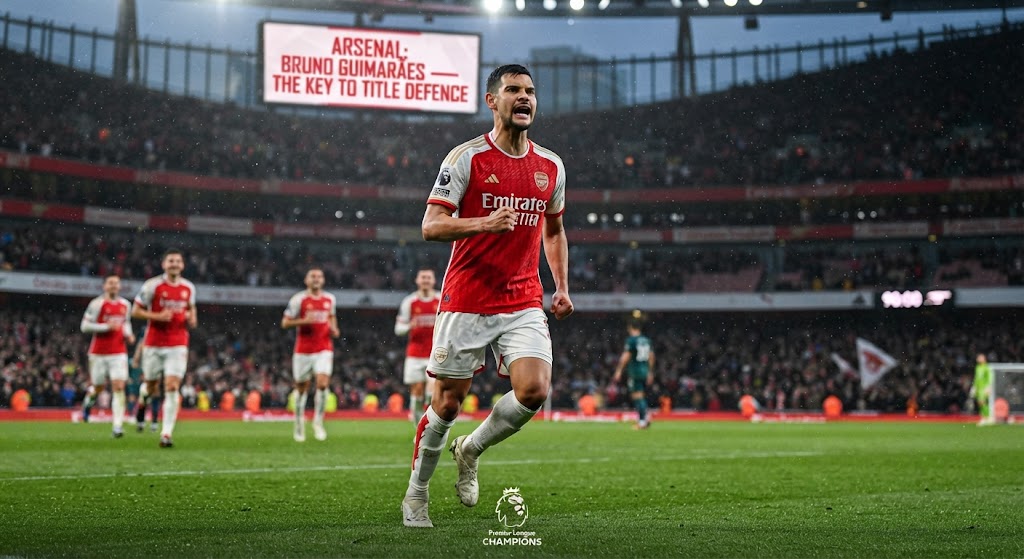
If Arsenal are to fend off Manchester City and secure consecutive league titles, their marquee Brazilian acquisition wi...

As the fixtures come thick and fast, the true measure of Carrick’s reset will not be how his team plays in isolation, ...