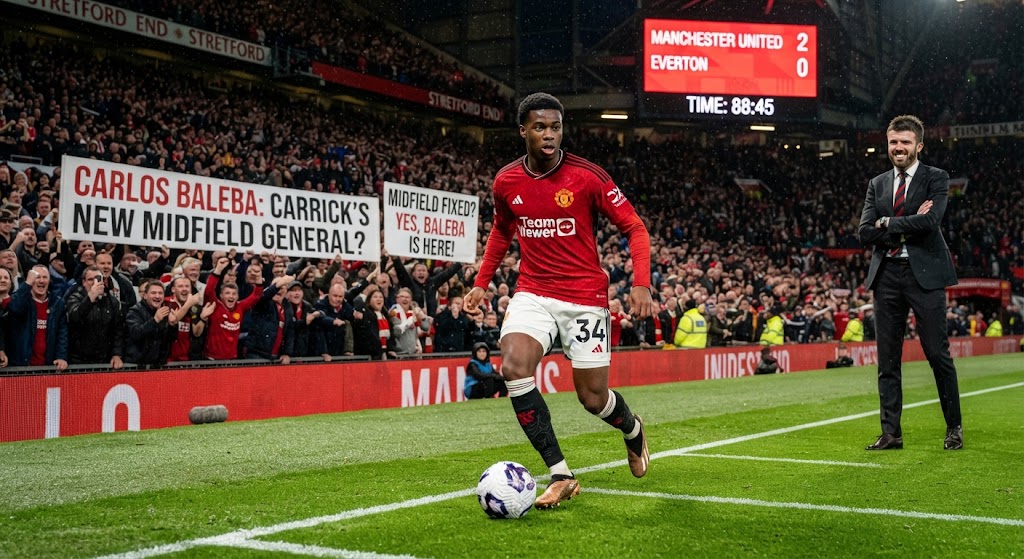
Carlos Baleba’s Manchester United Debut: Has Carrick Finally Fixed the Midfield?
Though the ankle setback means his maiden appearance will be delayed by a few weeks, anticipation among supporters is sk...

The 2026 FIFA World Cup has once again proven to be the ultimate shop window for football's elite talent. Following Spain’s triumphant campaign, the focus has shifted from the pitch to the boardroom as clubs look to capitalize on the standout performances from North America. While established stars have already dominated headlines, it is the breakout performers from nations like Paraguay, New Zealand, and Cape Verde who are now commanding attention from scouts across Europe. Major tournaments like this provide the perfect confirmation for scouting departments that a player is ready for the rigors of the highest level, often fast-tracking moves that might have otherwise taken another year of development.
As the transfer window heats up, supporters are increasingly turning to digital platforms to keep pace with the rapidly evolving market. Whether fans are catching up on tournament highlights via official Soccer Streams or following daily updates from journalists like Fabrizio Romano, the demand for instant information on these rising stars has never been higher. With deal rumors circulating regarding talents like Julian Quinones and Antonio Nusa, the integration of social media analysis and real-time reporting has changed how we follow the "silly season." This digital connectivity ensures that even those players from nations previously considered outside the traditional scouting path are now household names within weeks of a strong tournament showing.
While the World Cup was ongoing, several clubs were already busy finalizing high-profile transfers to get ahead of the competition. Tottenham recently smashed their club transfer record to sign Sandro Tonali, and Manchester City secured a massive deal for Elliot Anderson, signaling a clear intent to reinforce their squads. In a move that highlights the fast-paced nature of this summer, Aston Villa acted decisively to bring in Joao Gomes from Wolves, while Chelsea confirmed the signing of Marco Palestra. These deals demonstrate that clubs are not waiting for the dust to settle on the World Cup to address their weaknesses, prioritizing readiness as the new domestic seasons rapidly approach.
As we move into the final stretch of the summer transfer window, which closes on September 1, 2026, the ripple effects of the World Cup will continue to be felt. Beyond the immediate blockbuster moves, many clubs are looking toward younger, high-potential prospects who gained global recognition this summer. With the domestic leagues preparing for kickoff, the pressure is on sporting directors to close out their priority targets while managing the inflated valuations that follow a successful tournament. From the English Premier League to the heights of La Liga, the 2026 summer market is shaping up to be one of the most transformative in recent history, driven by the unique platform the World Cup provided.
Though the ankle setback means his maiden appearance will be delayed by a few weeks, anticipation among supporters is sk...
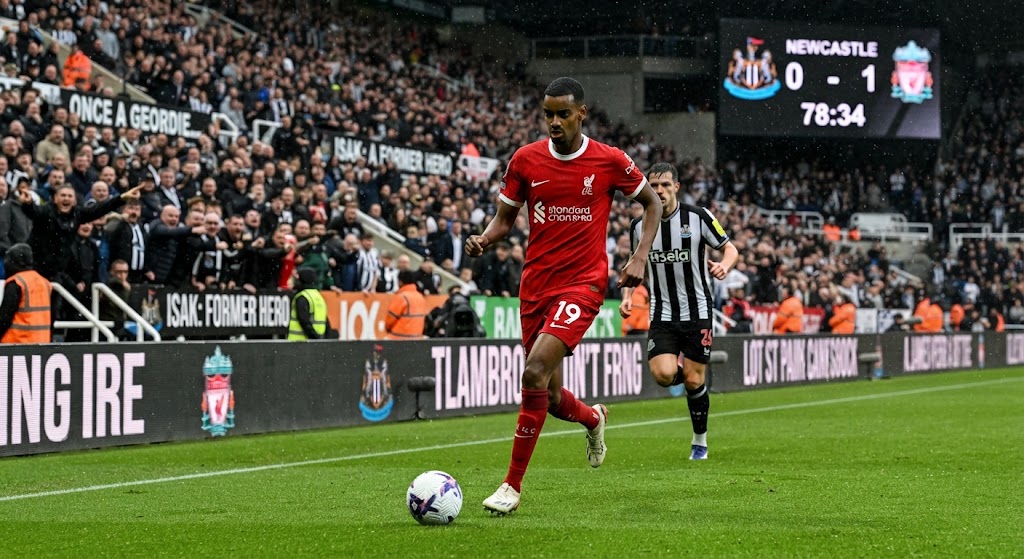
Former Premier League striker Troy Deeney recently voiced support for the Liverpool number nine, emphasizing that Isak p...

Overcoming this hidden vulnerability of squad fatigue and maintaining supreme focus will ultimately dictate whether Arse...
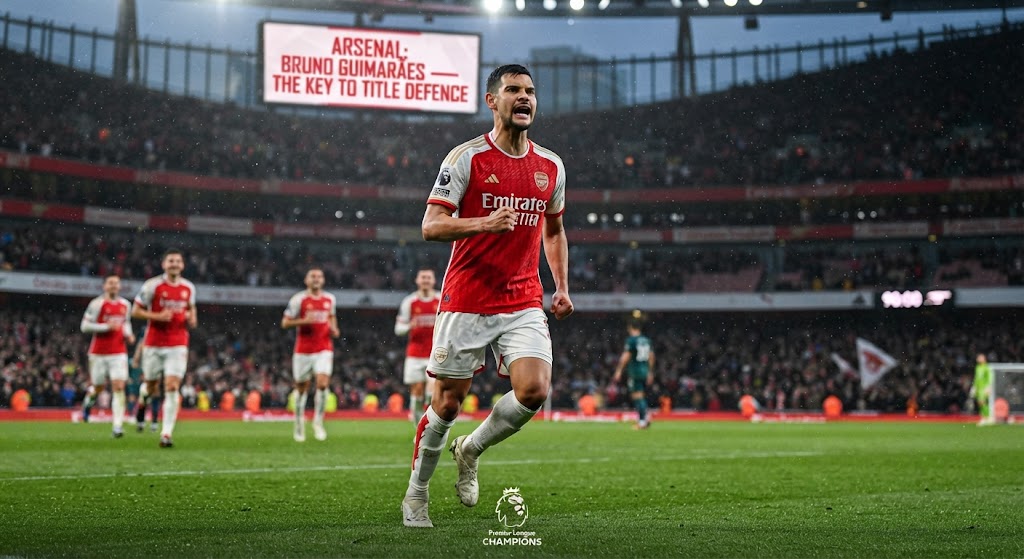
If Arsenal are to fend off Manchester City and secure consecutive league titles, their marquee Brazilian acquisition wi...

As the fixtures come thick and fast, the true measure of Carrick’s reset will not be how his team plays in isolation, ...